Slab Leak Detection in Georgia: Find Hidden Leaks Fast
Acoustic and thermal pinpointing for Georgia slab and foundation leaks
Slab Leak Detection in Georgia starts with listening, not jackhammering. Pro Leak Detection pinpoints under-slab water leaks with acoustic leak detection equipment and thermal imaging, then repairs the line and pressure-tests it before we leave. Whether you're in Savannah, Albany, or anywhere in between, we handle residential slab leak detection Georgia homeowners call about after a jump in the water bill.
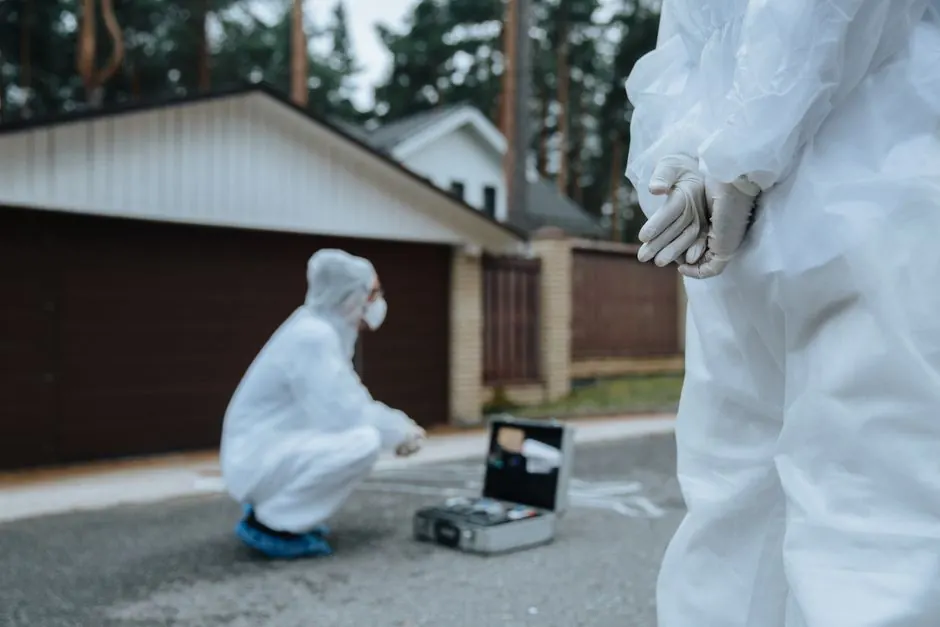
What Slab Leak Detection in Georgia Actually Involves
Slab Leak Detection in Georgia is the process of locating a water leak beneath a concrete foundation without tearing up the floor. We pressurize the system, then use acoustic leak detection equipment and a thermal imaging camera to hear and see where water is escaping. A pipe locator maps the line, and a moisture meter confirms the wet zone. Most homes we inspect have copper pipe or PEX tubing under the slab, and both fail in predictable ways.
Georgia's red clay soil shifts with our wet winters and dry summers, and that movement stresses under-slab lines. Homes built before 1990 often have copper pipe that has pitted from decades of slightly aggressive water. If you've noticed a warm spot on the floor or a water bill that jumped $80 in a month, that's a classic sign. Our professional slab leak detection Georgia service is built for exactly these scenarios.
Why Georgia Homeowners Choose Our Slab Leak Team
We find the leak before we touch the slab, so you pay for a repair, not exploratory demolition. Here's what that means for your home and your wallet.
No Guesswork Demolition
We pinpoint the leak within 6 to 12 inches before any concrete is opened. That means one small access point instead of a trench across your living room. On a typical Lawrenceville job, we've cut repair time from three days to one.
Lower Water Bills Fast
A slab leak can waste 10,000 gallons a month. Once we isolate the line and complete slab leak detection and repair in Georgia, most customers see their bill drop back to normal within one billing cycle. We show you the meter reading before and after.
Protects Foundation and Floors
Water under a slab softens soil and can crack tile or buckle laminate. Catching it early with foundation leak detection Georgia service saves you from a $6,000 foundation repair. We document moisture readings so you have proof for your insurer.
Licensed, Insured Technicians
Every tech holds a Georgia State Plumbing License and OSHA Safety Certification. We carry IAPMO Certification for pipe repair methods and follow EPA WaterSense guidance on leak loss. You get a uniformed pro, not a subcontractor.
Our 5-Step Slab Leak Detection Process
From the first phone call to the final pressure test, here's exactly what happens when you book slab leak detection near me in Georgia with our team.
Phone Triage
You call +1 888-682-0578 and describe what you're seeing: warm floor, high bill, sound of running water. We ask a few questions to rule out a running toilet or irrigation leak. Most calls take 5 minutes, and we schedule same-day or next-day visits across Georgia.
On-Site Inspection
A technician arrives in a marked truck with acoustic leak detection equipment, a Fluke thermal imaging camera, and a Sewerin electronic leak detector. We walk the slab, check the water meter, and isolate the hot and cold lines. This takes 30 to 45 minutes.
Pinpoint Location
We pressurize each line with a pressure testing gauge and listen with an ultrasonic leak detector. A pipe locator traces the route, and a moisture meter confirms the wet zone. You get a marked spot on the floor and a written report before we cut anything.
Repair or Reroute
If the leak is accessible, we repair the copper pipe or PEX tubing with new fittings, solder, and Teflon tape. If the line is too far gone, we reroute it overhead through the attic. Both options are explained with upfront pricing before work starts.
Test and Clean Up
We pressure-test the repaired line for 30 minutes, then restore the slab patch and clean the work area. You get a final meter reading and a 1-year workmanship warranty on the repair. Most jobs are done in a single day.
26 Years Finding Leaks Under Georgia Slabs
Pro Leak Detection has been in business since 2000, and we've spent 26 years chasing water under Georgia slabs. Our technicians train on Sewerin and Fisher Labs acoustic gear, FLIR thermal cameras, and RIDGID inspection tools. We hold a State of Georgia Contractor License and Backflow Prevention Certification. From 1920s bungalows in Savannah to new builds in Evans, we've seen how Georgia's clay soil and temperature swings treat under-slab plumbing, and we use that pattern recognition to find leaks faster.
- 26 years in business, founded in 2000, serving homeowners across Georgia
- State-licensed plumbing contractor with Backflow Prevention Certification
- Factory-trained on Sewerin, Fluke, and FLIR leak detection platforms
- Completed thousands of residential slab leak detection Georgia jobs
- Carry OSHA Safety Certification and IAPMO Certification for pipe repair
Why Our Slab Leak Detection in Georgia Stands Out
We're not a franchise call center. We're a Georgia company with our own trucks, tools, and technicians. That means faster response and a repair we stand behind.
Same-Day Response Statewide
Call before noon and we can usually be at your door the same day in metro areas like Lawrenceville, Dunwoody, and North Druid Hills. Rural routes to Bainbridge and Thomasville get next-day service. We text you the technician's name and ETA.
Non-Invasive First Approach
We start with acoustic and thermal tools, not a jackhammer. On a recent Perry job, we found a hot-water slab leak under tile and repaired it through a 12-inch access point. The homeowner kept their floor.
Upfront Pricing, No Surprises
You approve the price before we cut. Our slab leak detection service Georgia pricing includes the inspection, the report, and the repair estimate. If we can't find the leak, you don't pay for the detection.
Repairs Built for Georgia Soil
We use epoxy pipe repair and flexible PEX where clay soil movement is severe. That reduces the chance of a second leak in the same spot. Every repair is pressure-tested and backed by a 1-year workmanship warranty.
What Our Slab Leak Detection Includes
Every slab leak detection visit includes a full inspection, pinpointing, and a written report. Repairs are quoted separately with upfront pricing, and we only cut concrete after you approve the scope.
What's Included
Full System Pressure Test
We isolate hot and cold lines and pressurize each one with a pressure testing gauge. A 10-minute hold tells us which side is leaking. This step alone rules out fixtures and irrigation before we focus on the slab.
Acoustic and Thermal Pinpointing
Using acoustic leak detection equipment and a FLIR thermal imaging camera, we listen for the leak and map the temperature difference on the floor. We mark the spot within 6 to 12 inches and show you the readings.
Moisture Mapping
A moisture meter traces the wet zone under carpet, tile, or hardwood. We record readings at multiple points so you have a baseline. This data is what insurance adjusters ask for when you file a claim.
Written Report with Photos
You get a one-page report showing the leak location, line type (copper pipe, PEX tubing, or CPVC pipe), moisture readings, and repair options. We email it the same day so you can share it with your insurer or plumber.
Repair Quote and Options
We quote both direct repair and overhead reroute, with pricing for each. Most customers choose direct repair when access is easy. You decide, and we schedule the work, often the same day.
Georgia Slab Leak Problems We Solve
A slab leak never fixes itself. Here are the problems we see most across Georgia and how we stop them before they cost you thousands.
Water bill jumped $80-$150 with no visible leak
A hidden plumbing leak can waste 10,000 gallons a month and run up your bill while eroding soil under the foundation.
We pressure-test both lines, listen with acoustic gear, and pinpoint the leak. Most customers see the bill normalize within one billing cycle after repair.
Warm spot on the floor or sound of running water
A hot-water slab leak heats the floor and can crack tile or buckle laminate within weeks if left alone.
Our thermal imaging camera confirms the hot line, and we repair or reroute it. We've fixed hundreds of these in Savannah, Albany, and metro Atlanta homes.
Cracks in tile or drywall near the slab edge
Soil saturation from an underground water leak softens the foundation and causes structural movement that costs $6,000 or more to fix.
We find the source, stop the leak, and document moisture levels. Early detection with foundation leak detection Georgia service is the cheapest foundation repair you'll ever buy.
Musty smell or mold near baseboards
Trapped moisture under flooring grows mold that affects air quality and can spread into walls, requiring remediation.
We locate the leak, dry the area, and repair the line. We also check for sewer line leak cross-contamination with a video pipe inspection camera when the smell is strong.
When to Call for Slab Leak Detection
You got a $300 water bill and nothing in the house is running.
We shut off all fixtures, watch the meter, and pressure-test the slab lines. If the meter spins, we pinpoint the leak with acoustic and thermal tools and quote the repair on the spot.
You know exactly where the leak is and what it costs to fix, usually within 90 minutes of our arrival.
Your home was built in the 1980s and has copper pipe under the slab.
Copper pitting is common at that age. We run a full slab leak detection service Georgia inspection, including a moisture meter sweep and pipe locator trace, to find weak points before they fail.
You get a map of your under-slab lines and a heads-up on any sections showing pressure loss.
You're selling a home and the buyer's inspector flagged moisture near the slab.
We perform a documented inspection with photos and moisture readings, then provide a written report you can hand to the buyer's agent. If a leak exists, we quote the repair.
The sale moves forward with proof the issue is either fixed or scoped, not a mystery.
Your yard has a soggy spot that never dries out.
We test irrigation zones first, then move to the main water line and slab. A tracer gas leak detector and pipe locator help us trace the line without digging up the whole yard.
We isolate whether it's an irrigation system leak, water line leak, or slab leak and fix the right one.
Tools and Methods We Use
Tools & Equipment
Sewerin Acoustic Leak Detection Equipment
Amplifies the sound of water escaping under concrete so we can hear the leak through 4 to 6 inches of slab.
FLIR Thermal Imaging Camera
Shows temperature differences on the floor surface, revealing hot-water leaks as warm streaks under tile or carpet.
RIDGID Video Pipe Inspection Camera
Lets us see inside sewer and drain lines to rule out a sewer line leak before we cut concrete.
SubSurface Instruments Pipe Locator
Traces the path of copper pipe and PEX tubing under the slab so we know exactly where to listen.
General Pipe Cleaners Pressure Testing Gauge
Pressurizes each line to confirm which side is leaking and verifies the repair holds before we close up.
Milwaukee Moisture Meter
Maps the wet zone under flooring and gives us baseline readings for your insurance report.
Methods
Acoustic Listening Protocol
We pressurize the line to 80 psi, then walk the slab with headphones and a ground microphone. The leak hisses loudest directly above the break. We mark the spot and confirm with a second pass.
Thermal Sweep
A FLIR camera scans the floor in a grid pattern. Hot-water leaks show as a 5 to 10 degree temperature rise. We compare against ambient and document with photos.
Tracer Gas Isolation
For stubborn leaks, we introduce a harmless tracer gas into the line and use a tracer gas leak detector to find where it escapes. This works well on low-pressure or intermittent leaks.
Pressure Hold Test
After repair, we isolate the line and hold 80 psi for 30 minutes. A stable gauge means the fix is good. We show you the gauge before we pack up.
How Slab Leak Detection Runs in Georgia
Georgia's climate swings hard. Wet winters push clay soil against foundations, then dry summers shrink it back, and that cycle flexes under-slab plumbing until fittings fail. Homes built before 1990 usually have copper pipe, which pits faster in areas with slightly acidic water. Newer builds use PEX tubing, which resists corrosion but can fail at crimp fittings. We adjust our approach by region: coastal Savannah homes deal with salt air and high water tables, while North Georgia homes in Dunwoody and Evans sit on rockier soil that shifts differently. We follow the Georgia State Plumbing License requirements and EPA WaterSense guidance on leak loss. If you need affordable slab leak detection in Georgia, we quote the inspection upfront and waive the fee when you approve the repair.
Service Areas
Older homes with original copper pipe and pier-and-beam sections. We use acoustic gear carefully around historic tile and heart pine floors.
Many 1970s and 1980s ranches with copper under slab. We see hot-water leaks near the water heater closet and kitchen runs.
Newer construction with PEX tubing. Leaks here are often at manifold fittings or where lines cross expansion joints.
Mid-century homes on sloped lots. Water travels downhill under the slab, so we moisture-map a wider area to find the true source.
Local Considerations
Red clay soil expansion and contraction
Seasonal movement stresses pipe joints and can shear copper pipe. We look for leaks near the slab perimeter where soil pressure is highest.
High water table in coastal areas
In Savannah and Brunswick, groundwater can mask a leak. We pressure-test lines to separate slab leaks from natural moisture.
Granite and rock under North Georgia slabs
Rocky soil makes acoustic listening harder because sound reflects. We use thermal imaging and tracer gas to confirm the pinpoint.
Savannah Hot-Water Slab Leak Repair
A 1965 home in Savannah had a $340 water bill and a warm strip across the kitchen tile. The homeowner feared a full floor replacement. Two prior plumbers recommended jackhammering the entire kitchen.
We pinpointed the leak within 9 inches using acoustic gear and a FLIR camera. One 14-inch access cut, a new copper coupling, and a 30-minute pressure hold. Total repair time: 5 hours. Bill dropped to $62 the next month.
Maintenance & Follow-up
We recommended a pressure gauge check every six months and a whole-home water monitor. The homeowner also had us reroute a second weak section overhead before it failed.
A 2012 build in Lawrenceville had moisture wicking up through the laminate flooring near the hallway. The builder's warranty had expired, and the homeowner was quoted $4,200 for exploratory demolition.
We traced the leak to a failed PEX crimp ring at a manifold under the slab. Repair took 3 hours and cost $780 total. We dried the laminate, and no flooring replacement was needed.
Maintenance & Follow-up
We suggested annual moisture meter checks near the manifold and keeping the water pressure below 75 psi with a regulator.
A duplex in Albany had a musty smell and a soggy side yard. The owner suspected a slab leak, but tenants reported slow drains. Two separate issues were possible.
We camera-inspected the sewer line and found a cracked PVC pipe 6 feet from the slab. We also pressure-tested the water lines and confirmed no slab leak. Sewer repair cost $1,150, and the smell cleared in a week.
Maintenance & Follow-up
We recommended annual video pipe inspection camera checks and a root treatment every spring to keep the line clear.
How much does slab leak detection cost in Georgia?
Most slab leak detection in Georgia runs $250 to $450 for the inspection and pinpointing, and repairs typically add $600 to $2,500 depending on access. In 2026, metro Atlanta pricing sits at the higher end because of traffic and parking. We give you the full range before we start, and the detection fee is waived if you approve the repair.
What are the signs of a slab leak in Georgia?
The top signs are a water bill that jumps $50 to $150 in a month, a warm spot on the floor, the sound of running water when fixtures are off, and cracks in tile or drywall. Musty smells near baseboards are common too. If you notice two or more, call us for foundation leak detection Georgia service before the soil erodes further.
Can slab leak detection find leaks under concrete in Georgia?
Yes. Acoustic leak detection equipment hears the leak through 4 to 6 inches of concrete, and a thermal imaging camera shows the temperature difference on the floor surface. We confirm with a pressure testing gauge and moisture meter. In 26 years, we've located leaks under post-tension slabs, tile, and hardwood without breaking the floor first.
Does homeowners insurance cover slab leak detection in Georgia?
Many Georgia policies cover the access and repair if the leak was sudden and accidental, but detection itself is often out of pocket. We provide a written report with moisture readings and photos you can submit. Coverage varies by carrier, so call your agent with our report in hand. We don't bill insurance directly.
Licensed and Reviewed Across Georgia
Certifications
Reviews
Found a slab leak under our tile in one visit. The thermal camera showed exactly where it was. Repair was quick and the price matched the quote. No surprises.
We called three companies. Pro Leak Detection was the only one that didn't want to jackhammer the whole floor. They pinpointed it, fixed it, and cleaned up. Water bill is back to normal.
Professional from the first call. They explained the pressure test, showed us the readings, and gave a written report for our insurance. The repair has held for over a year.
Related Leak Detection Services
Water Leak Detection
Water Leak Detection covers the supply lines feeding your slab, including the main line from the meter. If your slab leak is actually a water line leak, we catch it in the same visit. We use the same acoustic and thermal tools to trace the source.
Water Leak DetectionPool Leak Detection
Pool Leak Detection finds leaks in the shell, plumbing, and equipment pad. Pool lines often run under the same slab or deck as your home's plumbing, so a pool leak can mimic a slab leak. We test both to isolate the real source.
Pool Leak DetectionUnderground Leak Detection
Underground Leak Detection covers buried lines outside the foundation, including yard lines and service laterals. If your slab leak has spread into the soil, we map the underground water leak and repair it before it undermines the foundation.
Underground Leak DetectionPlumbing Leak Detection
Plumbing Leak Detection handles leaks inside walls, ceilings, and crawlspaces. We often find that a slab leak has a twin inside the wall from the same pressure event. One visit can cover both with our electronic leak detector and video pipe inspection camera.
Plumbing Leak DetectionRoof Leak Detection
Roof Leak Detection locates water entry points on shingles, flashing, and vents. Roof leaks can drip down and pool near the slab, confusing the diagnosis. We rule out roof leak sources before we open any concrete.
Roof Leak DetectionGas Leak Detection
Gas Leak Detection uses a tracer gas leak detector and combustible gas sensors to find gas line leaks. If your home has a gas line running under the slab, we inspect it alongside the water lines during the same visit.
Gas Leak DetectionSewer Line Leak Detection
Sewer Line Leak Detection uses a video pipe inspection camera to find breaks and root intrusion. A sewer line leak under the slab can saturate soil and look like a water leak. We camera the line to confirm before we cut concrete.
Sewer Line Leak DetectionWater Line Leak Detection
Water Line Leak Detection focuses on the main service line from the meter to the house. A water line leak can show up as a slab leak symptom. We pressure-test the main line separately to isolate the problem.
Water Line Leak DetectionIrrigation System Leak Detection
Irrigation System Leak Detection finds leaks in sprinkler zones, valves, and drip lines. Irrigation leaks often run along the foundation and soak the slab perimeter. We shut down zones and meter-test to rule them out.
Irrigation System Leak DetectionWhat Georgia Homeowners Say
Real experiences from customers who chose our Slab Leak Detection services
"Our water bill doubled and we couldn't find the leak. Pro Leak Detection came out the next morning, used a thermal camera, and found a hot-water slab leak under the kitchen tile. They cut one small hole, fixed the copper pipe, and pressure-tested it. Bill is back to normal and the floor looks untouched."
Marcus T.
Homeowner, Savannah
"We had a warm spot on the floor for weeks. Two other companies wanted to jackhammer the whole hallway. Pro Leak Detection pinpointed it within 8 inches using acoustic gear. Repair took four hours and cost less than the other quotes just for detection. Highly recommend."
Denise R.
Homeowner, Lawrenceville
"I manage 12 rental units and slab leaks are my nightmare. Pro Leak Detection has handled four for me since 2000. They show up when they say, give written reports for insurance, and their repairs hold. The 1-year warranty is real; they came back once for a fitting and fixed it free."
Alan P.
Property Manager, Albany
Book Slab Leak Detection in Georgia Today
Water under your slab gets worse every day. Call Pro Leak Detection at +1 888-682-0578 and we'll pinpoint the leak, give you upfront pricing, and repair it before it cracks your foundation. Same-day service across Georgia.