Plumbing Leak Detection in Georgia That Finds Hidden Leaks Fast
Acoustic and thermal tools pinpoint the leak before we open a single wall
Plumbing Leak Detection in Georgia starts with listening, not demolition. We use acoustic leak detection equipment and a thermal imaging camera to trace water line leaks, slab leaks, and underground water leaks under Georgia homes and businesses. If your water bill jumped, a floor feels warm, or you hear water running when nothing is on, call us. We cover the whole state, 24/7, and we find the leak before we cut.
What Plumbing Leak Detection in Georgia Actually Involves
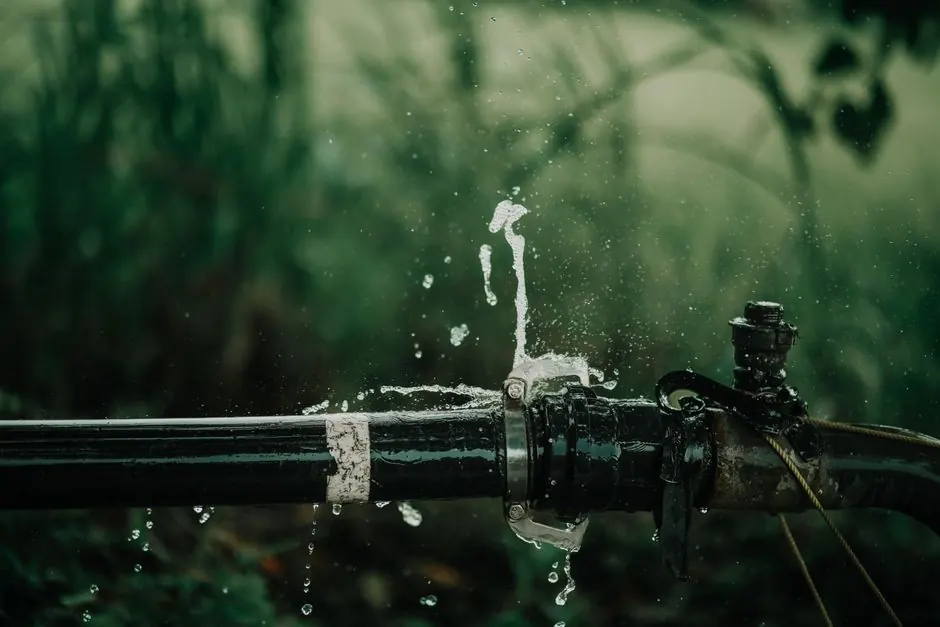
Plumbing Leak Detection in Georgia is the non-invasive process of finding where water or gas is escaping from a pressurized pipe system before any digging or demolition begins. We pressurize the line with a pressure testing gauge, then sweep the property with an acoustic leak detection equipment set, an ultrasonic leak detector, and a thermal imaging camera. On slab-on-grade homes we add a pipe locator and video pipe inspection camera to map copper pipe, PEX tubing, and PVC pipe runs under the floor. The goal is one precise mark on the concrete, not a room torn apart.
Georgia homes give us plenty to find. Red clay soil shifts with every wet winter and dry summer, stressing water line leak points and underground water leak joints. Older Atlanta and Macon neighborhoods still run copper pipe that pinholes after 30 to 40 years, while newer suburbs built on PEX tubing and CPVC pipe develop fitting leaks behind walls. A hidden plumbing leak can quietly add 10,000 gallons a month to your bill. When you search for plumbing leak detection near me, you want a crew that knows how Georgia soil and Georgia plumbing age together.
Why Georgia Homeowners Call Us First
A leak you can hear but cannot see is the most expensive kind. These four outcomes are what our Georgia plumbing leak detection service is built around, from the first listening pass to the final pressure test.
Stop the Water Bill Bleed
A pinhole leak in a copper pipe can push 200 gallons a day into the ground. We locate it, mark it, and hand you a repair plan the same visit. Most customers see their next Georgia water bill drop back to normal within one billing cycle.
No Guesswork Demolition
We do not jackhammer a slab hoping to get lucky. Acoustic leak detection equipment and a thermal imaging camera narrow the leak to within a few inches, so your contractor opens one small section of floor instead of half a hallway. That saves thousands in concrete and flooring.
Catch Slab Leaks Early
Warm spots on the floor, a faint hiss at night, and a water heater that never seems to keep up are classic slab leak signals. Finding it at week one costs far less than finding it after the foundation has shifted and cracked the tile above it.
Protect the Whole System
One leak usually means the pipe run is aging. We pressure test the full line, check pipe fittings and solder joints, and tell you which sections are sound and which are on borrowed time, so you fix once instead of every six months.
How Our Leak Detection Process Works
Five steps, one visit in most cases. Here is exactly what happens from the moment you call until we hand you a marked, verified leak location.
Phone Intake
You describe the symptoms: high water bill, warm floor, hissing wall, damp yard. We ask when it started and whether the meter spins with everything off. That five-minute call usually tells us whether this is a water line leak, a slab leak, or a sewer line leak, and we schedule a same-day or next-day window.
System Pressure Test
On arrival we isolate the system and pressurize it with a pressure testing gauge. If the gauge drops, we know the leak is on the supply side. If it holds, we move to the drain side and run a video pipe inspection camera. This step takes 20 to 30 minutes and sets the whole search direction.
Acoustic and Thermal Sweep
We walk the property with acoustic leak detection equipment and an ultrasonic leak detector, listening for the frequency water makes as it escapes a pipe. Inside, a thermal imaging camera shows temperature differences behind walls and under floors. On larger properties we add tracer gas leak detector work to confirm the exact spot.
Pinpoint and Mark
Once two methods agree on a location, we mark it on the floor, wall, or ground with paint or tape and photograph it. You get a written leak location and a short video clip of the evidence. No vague 'somewhere under the slab' answers.
Repair Plan and Test
We explain the repair options, from epoxy pipe repair on a small pinhole to cutting out and replacing a failed section of copper pipe or PEX tubing. After the repair we re-pressurize and re-test the line before we leave, so you know the fix held.
26 Years Finding Leaks Across Georgia
Pro Leak Detection has been in business since 2000, which means 26 years of Georgia soil, Georgia pipe, and Georgia water bills. Our technicians hold Georgia State Plumbing License credentials and Backflow Prevention Certification, and we train on Sewerin, Fluke, RIDGID, and SubSurface Instruments gear every year. We have located leaks in slab-on-grade ranches, 1920s bungalows, and new-build subdivisions on PEX tubing. That range matters, because a leak in 60-year-old copper pipe behaves nothing like a leak in a two-year-old CPVC pipe joint.
- 26 years in business, founded in 2000, serving homeowners and property managers statewide
- Georgia State Plumbing License and Backflow Prevention Certification on staff
- Trained on Sewerin acoustic gear, Fluke thermal cameras, and RIDGID inspection tools
- EPA WaterSense-aligned reporting so you can document usage before and after repair
- OSHA Safety Certification for confined-space and trench work on underground water leak jobs
Why Our Plumbing Leak Detection in Georgia Works
Anyone can cut a hole and look. We narrow the search with instruments first, which is why our first-visit locate rate stays high and why contractors trust our marks before they open a floor.
Two-Method Verification
We never mark a leak on one reading. Acoustic and thermal results have to agree, or we keep sweeping. That discipline is why plumbers across Georgia call us in before they break concrete, and why our locate accuracy holds up job after job.
Statewide, 24/7 Response
We run 24/7 plumbing leak detection service in Georgia because leaks do not wait for business hours. A burst water line at 2 a.m. in Gainesville gets the same crew and the same equipment as a 2 p.m. call in Savannah.
Residential and Commercial
Our residential plumbing leak detection Georgia work covers single-family homes, while our commercial crews handle apartment buildings, restaurants, and retail pads. Same tools, different scale. A 200-unit complex gets a zone-by-zone pressure map before we touch a single unit.
Repair-Ready Reporting
You get a marked location, photos, and a pressure test record. If you already have a plumber, hand them our report and they can go straight to the cut. If you want us to handle the plumbing leak detection and repair in Georgia, we do that too.
What Our Plumbing Leak Detection Includes
Every locate includes the core diagnostic work below. Repair is quoted separately so you can decide whether to use us or your own plumber. No surprise line items, no vague hourly billing.
What's Included
Full System Pressure Test
We isolate and pressurize the supply line with a pressure testing gauge and watch for drop. This single step tells us whether the leak is on the supply side or the drain side, which saves an hour of searching in the wrong place.
Acoustic Listening Sweep
Acoustic leak detection equipment picks up the frequency water makes as it escapes a pipe under pressure. We sweep the whole suspect area, inside and out, and log the strongest signal points on a sketch of your property.
Thermal Imaging Scan
A thermal imaging camera shows temperature differences behind walls and under slabs. A hot supply leak and a cool drain leak look different on screen, which helps us confirm what the acoustic gear heard and rule out false positives.
Marked Location Report
You get the leak marked on the floor, wall, or ground with paint or tape, plus photos and a short video clip. Any plumber can work from our report. We also note pipe material, copper pipe or PEX tubing, and the surrounding condition.
Post-Repair Verification
If we handle the repair, we re-pressurize and re-test the line before we pack up. You see the gauge hold steady. If you use your own plumber, we offer a return verification visit so you know the fix actually sealed.
Georgia Leak Problems We Solve Every Week
These are the calls that fill our schedule, and each one has a clear cause and a clear fix. If any of them sound like your house, do not wait for the damage to get worse.
Water bill doubled with no visible leak
A hidden plumbing leak can waste 10,000 gallons a month and quietly rot framing, subfloor, and insulation before you ever see water.
We pressure test the supply line, then sweep with acoustic and thermal gear to find the escape point. Most mystery bill spikes trace to a slab leak or a failed water line leak joint under the yard. We mark it and hand you a repair plan the same visit.
Warm spot on the floor near the water heater
That warmth is hot water escaping a copper pipe under the slab. Left alone, it erodes soil under the foundation and cracks tile, which turns a pipe repair into a foundation repair.
Slab leaks are our most common Georgia call. We use a pipe locator and acoustic gear to trace the hot line under the concrete and mark the break within inches, so the repair stays a small cut instead of a full floor removal.
Soggy patch in the yard that never dries
An underground water leak between the meter and the house can wash out soil, sink a walkway, and run your bill up for months before the surface shows damage.
We trace the buried service line with a pipe locator and listen for the leak with acoustic gear, then confirm with a pressure test. You dig one hole at the marked spot. We can also handle the water line leak repair and re-test the line.
Hissing sound behind a wall at night
A pinhole in copper pipe or a failed CPVC pipe joint sprays a fine mist inside the wall cavity, feeding mold and softening drywall from the inside out.
We isolate the wall zone, pressurize it, and use an ultrasonic leak detector plus a thermal imaging camera to pinpoint the joint. The mark lets your plumber open a small access panel instead of removing a whole wall.
When to Call for Plumbing Leak Detection
You are buying a Georgia home and the inspection flagged possible moisture near the slab.
We run a full pressure test and thermal scan before closing. If there is an active leak, we mark it and document it in writing so you can negotiate the repair into the sale or walk away informed.
You know exactly what you are buying, and you have a repair number to bring to the table instead of a vague inspector note.
Your water meter spins with every fixture off and the city sent a high-usage notice.
We isolate the supply line, pressure test it, and sweep the property with acoustic and thermal gear. If the leak is underground, we trace the line with a pipe locator and mark the break.
The leak gets fixed, the meter stops spinning, and your next bill drops back to normal instead of climbing again.
You manage a rental property and the tenant reports a damp floor or a musty smell.
We schedule a locate, document the leak with photos and a pressure test record, and give you a repair quote. Landlords get a clean paper trail for the insurance claim or the maintenance file.
The tenant stays, the unit gets repaired fast, and you have documentation if the claim needs it.
A pool is losing an inch of water a day and the pump is running constantly.
We pressure test the pool plumbing and dye test the shell and fittings. Most pool leaks trace to a failed return line or a cracked light niche, and both can be marked without draining the pool.
The pool holds its level again, the pump stops overworking, and you avoid a full deck demolition.
Tools and Methods We Use
Tools & Equipment
Sewerin Acoustic Leak Detection Equipment
Ground microphone and listening stick that pick up the frequency of pressurized water escaping a pipe. This is our first pass on almost every underground water leak and slab leak call.
Fluke Thermal Imaging Camera
Shows temperature differences behind walls and under slabs so we can see a hot supply leak or a cool drain leak without opening anything. Confirms what the acoustic gear heard.
RIDGID Video Pipe Inspection Camera
Pushes through drain and sewer lines to show breaks, root intrusions, and offset joints on screen. Essential for sewer line leak calls and any drain-side mystery.
SubSurface Instruments Pipe Locator
Traces buried metallic and non-metallic lines so we know exactly where the pipe runs before we mark a leak. Keeps the excavation to one small hole.
Tracer Gas Leak Detector
Introduces a safe tracer gas into the line and sniffs for it at the surface. Used on stubborn underground water leak jobs and on gas leak detection where acoustic gear is not enough.
Pressure Testing Gauge
Isolates and pressurizes a section of the system to confirm the leak is real and on the supply side. Every job starts and ends with a gauge reading.
Moisture Meter
Reads moisture content in drywall, wood, and concrete so we can map how far water has traveled from the leak. Helps separate an active leak from old staining.
Methods
Two-Method Verification
We never mark a leak on a single instrument reading. Acoustic and thermal results have to agree, or we keep sweeping. This standard is why contractors trust our marks before they open a floor or wall.
Zone Isolation Pressure Testing
On larger homes and commercial buildings we close valves to isolate one zone at a time and pressure test each. This narrows a 200-unit complex or a sprawling ranch down to the one branch that is losing pressure.
EPA WaterSense Usage Baseline
We document pre-repair water usage and compare it to post-repair readings. It gives you a clear before-and-after number and aligns with EPA WaterSense guidance on household water efficiency.
OSHA-Compliant Confined Space Work
Underground water leak jobs sometimes mean entering a vault or a trench. Our OSHA Safety Certification means we follow the required entry, ventilation, and monitoring procedures on every one of those calls.
How Plumbing Leak Detection Runs in Georgia
Georgia's red clay expands when it is wet and shrinks when it dries, and that cycle flexes buried water line joints twice a year. October through March brings the wet season, when the soil swells and old copper pipe fittings start weeping. June through September bakes the ground and opens hairline cracks in PVC pipe and CPVC pipe. That is why we see two leak seasons here, not one. Building stock matters too. Intown Atlanta, Macon, and Rome homes often still run original copper pipe that pinholes after 30 to 40 years, while newer subdivisions on PEX tubing and CPVC pipe develop fitting leaks behind walls. Slab-on-grade construction is common across the state, so slab leak calls make up a big share of our work. If you are trying to figure out how to find a plumbing leak in your Georgia home, start with the water meter test: shut every fixture off and watch the dial. If it moves, call us. We run 24/7 plumbing leak detection service in Georgia and schedule statewide.
Service Areas
Older homes with original copper pipe and finished basements make wall and slab leaks harder to reach. We use thermal imaging and acoustic gear to avoid opening finished surfaces.
Early-1900s homes with retrofitted plumbing mix old galvanized lines with newer PEX tubing. Pressure testing each zone separately is the only reliable way to isolate the leak.
1980s and 1990s subdivisions on slab foundations are hitting the age where copper pipe pinholes start. Most of our calls here are warm-floor slab leaks.
Fast-growth area east of Augusta with newer construction on CPVC pipe. We see more fitting leaks and irrigation system leak calls than slab leaks here.
Local Considerations
Red clay soil expansion and contraction
Stresses buried water line joints twice a year and is the leading cause of underground water leak calls we run between October and March.
Slab-on-grade construction across most of the state
Puts supply lines under concrete, so leaks show up as warm floors and high bills instead of visible puddles. Acoustic and thermal gear is the only way to locate them without demolition.
Aging copper pipe in pre-1980 homes
Pinhole leaks form after 30 to 26 years of service. We see clusters of them in intown Atlanta, Macon, and Rome, often two or three on the same run.
Hot, dry summers cracking PVC and CPVC pipe
Drives irrigation system leak and water line leak calls from June through September, especially on systems installed more than 15 years ago.
Slab Leak in a Suwanee Ranch Home
A family in Suwanee watched their water bill climb from $70 to $210 over two months. The hallway floor felt warm and the meter never stopped spinning. Two plumbers had guessed at the location without instruments and neither was right.
We pressure tested the line, swept with acoustic gear, and confirmed with a thermal imaging camera. The leak was a pinhole in copper pipe 14 inches from where the last guess was. The repair opened one 18-inch square of slab. The next bill came in at $74.
Maintenance & Follow-up
We recommended a full-line pressure test every 18 months on the remaining original copper run. Catching the next pinhole early keeps the repair small.
A property manager in Stockbridge had a 60-unit complex losing water with no visible puddle. The city had flagged high usage twice. Two separate plumbers had dug four holes in the yard and found nothing.
We zone-isolated the supply lines, traced them with a pipe locator, and used acoustic gear plus a tracer gas leak detector to mark two separate breaks. Both were repaired in one week. Water usage dropped 30% the next billing cycle.
Maintenance & Follow-up
We set up a quarterly pressure log for the maintenance team. A slow drop on any zone reading now triggers a locate before the bill spikes again.
A homeowner in Gainesville heard water running at night with every fixture off. The kitchen wall showed a faint stain but no active drip. A previous contractor had quoted a full wall replacement to find the source.
We isolated the wall zone, pressurized it, and used an ultrasonic leak detector plus a thermal imaging camera to pinpoint a failed solder joint on a copper pipe. The plumber opened a 12-inch access panel instead of the whole wall. Total repair time was under three hours.
Maintenance & Follow-up
We suggested a moisture meter check on that wall each spring. If the reading climbs, we re-scan before any staining returns.
How much does plumbing leak detection cost in Georgia?
Most residential leak detection jobs in Georgia run $250 to $650 in 2026, and a straightforward slab or water line locate usually lands near the middle of that range. Complex commercial work, multiple zones, or gas leak detection pushes higher. The fee covers the pressure test, acoustic sweep, thermal scan, and a marked location report. If we repair the leak the same day, we credit part of the detection fee toward the repair.
What are common signs of a plumbing leak in Georgia?
The four signs we hear most: a water bill that jumps 20% or more with no change in habits, a water meter that spins with every fixture off, warm or damp spots on a slab floor, and the sound of running water when the house is quiet. Musty smells near a wall and cracked tile over a slab are later-stage warnings. If you catch any one of these, call before the damage spreads.
Can plumbing leak detection find hidden pipe leaks in Georgia?
Yes. Hidden leaks behind walls, under slabs, and below the yard are exactly what acoustic leak detection equipment and thermal imaging camera work is built for. We pressurize the line, listen for the escape frequency, and confirm with heat signatures. On underground water leak calls we add a pipe locator and tracer gas leak detector. In most Georgia homes we mark the leak within a few inches on the first visit.
Does plumbing leak detection include repair in Georgia?
Detection and repair can be one job or two, your choice. We always deliver the locate, the mark, and the pressure test record. From there we can cut out the failed section of copper pipe or PEX tubing and replace it, or you can hand our report to your own plumber. If you want affordable plumbing leak detection in Georgia plus the fix, we quote both upfront before any work starts.
Licensed, Certified, and Reviewed
Certifications
Reviews
Found a slab leak under our kitchen in about 90 minutes. They marked it with tape, took photos, and explained the repair options without pushing. My plumber said the mark was dead on. Fair price and no mess left behind.
Called at 11 p.m. with water coming up through the garage floor. They had a tech out within two hours and found the break in the main line. Professional, calm, and honest about what it would cost. Worth every dollar.
We use them for all our rental properties. They document everything with photos and a pressure test record, which our insurance company accepts without question. Consistent work across a dozen units over three years.
Related Leak Services We Offer
Water Leak Detection
Water Leak Detection covers the supply side of your system, from the meter to the fixture. When your bill spikes and the meter never stops, this is the service that finds the escape point on a water line leak before it undermines a foundation.
Water Leak DetectionPool Leak Detection
Pool Leak Detection finds water escaping through the shell, plumbing, or fittings. A pool losing an inch a day is not evaporation. We pressure test the pool lines and dye test the shell, then hand you a marked location before the deck comes up.
Pool Leak DetectionSlab Leak Detection
Slab Leak Detection targets the copper pipe and PEX tubing running under your concrete floor. Warm spots, a hissing sound, and a spinning meter point here. We use acoustic gear and thermal imaging to mark the spot so the cut stays small.
Slab Leak DetectionUnderground Leak Detection
Underground Leak Detection covers the buried water line between the meter and the house. Georgia's shifting red clay stresses these joints every season. We trace the line with a pipe locator and listen for the leak, so you dig one hole, not five.
Underground Leak DetectionRoof Leak Detection
Roof Leak Detection separates a true roof failure from a plumbing vent or HVAC condensate problem. Water showing up on a ceiling is not always a shingle issue. We trace the source before you pay for a roof replacement you may not need.
Roof Leak DetectionGas Leak Detection
Gas Leak Detection uses a tracer gas leak detector and electronic leak detector to find escaping natural gas or propane. If you smell gas, leave the building and call from outside. We locate the failed joint and confirm the repair with a pressure test.
Gas Leak DetectionSewer Line Leak Detection
Sewer Line Leak Detection finds breaks and root intrusions in the drain line running to the city main. We run a video pipe inspection camera through the line, mark the break, and tell you whether it is a spot repair or a full replacement.
Sewer Line Leak DetectionWater Line Leak Detection
Water Line Leak Detection focuses on the main service line from the meter to the structure. A soggy patch in the yard or a meter that never stops are the tells. We locate the break and pressure test after the repair.
Water Line Leak DetectionIrrigation System Leak Detection
Irrigation System Leak Detection isolates the sprinkler zone that is losing pressure. A stuck valve or cracked lateral can waste hundreds of gallons a week. We zone-test the system, find the failed section, and confirm the fix with a flow check.
Irrigation System Leak DetectionWhat Georgia Customers Say
Real experiences from customers who chose our Plumbing Leak Detection services
"Our water bill doubled in one month and we had no idea why. Pro Leak Detection came out, pressure tested the line, and found a slab leak under the hallway with their acoustic gear. They marked it within a few inches. My plumber opened one small square of floor and fixed it. Saved us thousands in guesswork."
Marcus T.
Homeowner, Suwanee
"We manage a 60-unit complex and had a mystery water loss that was killing our budget. Their crew mapped the zones, found two underground water leaks in the irrigation lines, and gave us a written report with photos. We fixed both in a week. Water usage dropped 30% the next billing cycle."
Denise R.
Property Manager, Stockbridge
"I could hear water running at night but every fixture was off. They showed up the same day, used a thermal camera and a listening device, and found a pinhole in a copper pipe behind the kitchen wall. Marked it, explained the repair, and tested it after. Honest crew, fair price, no drama."
Curtis L.
Homeowner, Gainesville
Get Plumbing Leak Detection in Georgia Today
A hidden leak costs more every day you wait. Our Georgia State Plumbing License crew is on call 24/7 with acoustic and thermal gear ready to roll. Call now and we will schedule your locate, usually same day.